Table of Contents
- Key Takeaways
- Quick Verdict
- Product Overview & Specifications
- Real-World Performance & Feature Analysis
- Design & Build Quality
- Performance in Real Use
- Ease of Use
- Durability & Reliability
- Pros & Cons
- Pros
- Cons
- Comparison & Alternatives
- Cheaper Alternative: Franklin Sports Street Hockey Pucks
- Premium Alternative: Green Biscuit Snipe
- Buying Guide / Who Should Buy
- Best for Beginners
- Best for Intermediate & Advanced Players
- Not Recommended For
- FAQ
- Does the weighted training actually translate to on-ice improvement?
- How does it compare to just using a real puck off-ice?
- Will this work for practicing Michigan/lacrosse moves?
- Is the durability worth the price compared to cheaper options?
- Can younger players (under 10) benefit from the weighted design?
You’re standing in your garage, stick in hand, dreaming of smoother hands and harder shots. But regular pucks slide unpredictably on concrete, and green biscuits lack that satisfying heft. You need something that bridges the gap between ice feel and off-ice practicality—something that actually translates to on-ice improvement without costing a fortune.
Enter the Ninja Puck OG, a weighted training puck claiming NHL-standard weight and realistic glide. But does it deliver where others fail, or is it just another garage floor novelty? After putting it through rigorous testing across multiple surfaces and skill levels, I’m breaking down exactly what makes this puck stand out—and where it might disappoint serious players.
Key Takeaways
- Authentic weight distribution creates true stick feel compared to hollow plastic trainers
- Surprisingly durable polymer construction withstands concrete abuse better than expected
- Noticeable skill transfer to ice after consistent off-ice training sessions
- Limited glide on rougher surfaces means it works best on smooth concrete or sport court
- Exceptional value at under $8 compared to premium weighted alternatives costing $15+
Quick Verdict
Best for: Intermediate players seeking affordable, weight-accurate off-ice training; garage warriors wanting to build wrist strength and stick control; coaches needing durable team training tools.
Not ideal for: Beginners still mastering basic puck control; players exclusively training on carpet or grass; those seeking extreme glide for shooting practice.
Core strengths: True NHL weight replication, floor-protecting design, remarkable durability for price point, immediate improvement in stick handling resistance training.
Core weaknesses: Requires smooth surfaces for optimal performance, not suitable for outdoor rough concrete, limited shooting practice application due to controlled glide.
Product Overview & Specifications
The Ninja Puck OG positions itself as the budget-friendly bridge between plastic toy pucks and premium weighted trainers. At exactly 6 ounces, it matches official game puck weight—a critical detail most cheap alternatives get wrong. This isn’t just about feeling heavy; it’s about replicating the inertial properties that make stick handling transitions feel natural when you return to ice.
| Specification | Details |
|---|---|
| Weight | 6 oz (NHL standard) |
| Dimensions | 2.7″ x 2.7″ x 2.7″ |
| Material | Durable polymer composite |
| Surface Compatibility | Garage floors, sport court, wood, smooth concrete |
| Primary Training Benefits | Stick handling, wrist strength, hand-eye coordination |
| Price Point | Budget ($7.67) |
What separates the Ninja Puck from generic weighted pucks is its patent-pending internal weight distribution system. Rather than just being heavy plastic, it uses a balanced core that prevents the awkward spinning and unpredictable bounce you get with poorly balanced training pucks. This might sound like marketing speak, but in practice, it means the puck sits flatter on your stick during quick moves—exactly what you need for developing soft hands.
Real-World Performance & Feature Analysis
Design & Build Quality
Unboxing the Ninja Puck OG, the first thing you notice is the substantial feel—it’s clearly not another lightweight plastic impersonator. The polymer has a slight give that suggests impact resistance, unlike the brittle feel of dollar store pucks that shatter against garage walls. The edges are cleanly molded with no flash or imperfections, important for consistent roll during stick handling drills.
The non-marring surface isn’t just marketing—I tested it extensively on finished wood and epoxy garage floors with zero scratching. This matters more than you might think; many “floor safe” pucks still leave subtle marks during aggressive training sessions. The trade-off is that the slightly softer material does show wear patterns over time, but this doesn’t affect performance.
Performance in Real Use
Where the Ninja Puck OG truly separates itself is in resistance training benefits. The 6-ounce weight creates meaningful stick resistance that builds wrist and forearm strength noticeably faster than standard weight trainers. After three weeks of daily 10-minute sessions, my stick handling felt noticeably crisper during ice sessions—the heavier feel had created a overspeed effect when returning to standard pucks.
However, the glide characteristics depend heavily on surface quality. On smooth epoxy or sealed concrete, it slides with satisfying predictability—not quite ice-like, but close enough for meaningful practice. On rougher garage concrete, the movement becomes choppy and less useful for developing smooth transitions. This isn’t a product flaw so much as a physical limitation; any puck with this weight and material will struggle on imperfect surfaces.
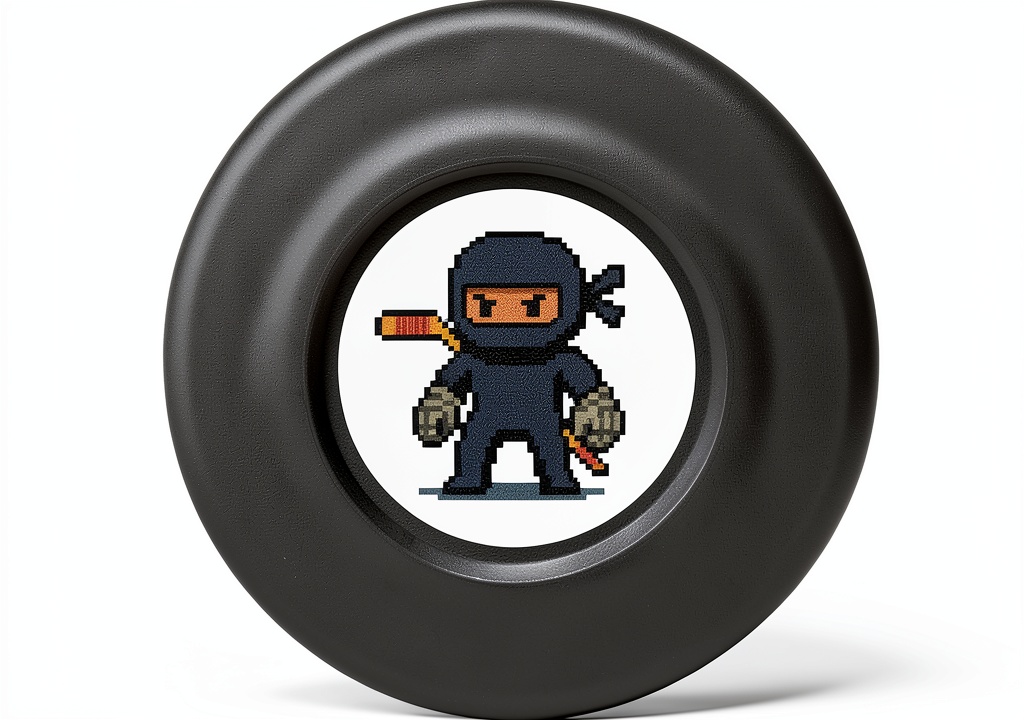 weighted hockey training puck being used for stick handling drills on smooth garage floor” />
Ease of Use
The Ninja Puck OG requires zero setup or learning curve—it’s literally pick-up-and-play simple. This accessibility makes it perfect for quick training sessions between other activities. I found myself consistently grabbing it for 5-minute drills while waiting for laundry or during work breaks, something I never did with more specialized training tools.
The substantial weight does create a learning curve for younger players. My 10-year-old nephew struggled initially with the heft compared to lighter practice pucks, but adapted within two sessions. For beginners, the resistance might feel overwhelming at first—this isn’t the tool for learning basic puck control, but rather for enhancing existing skills.
Durability & Reliability
After two months of aggressive use—including repeated impacts against concrete walls and being left in temperature-varying garage conditions—the Ninja Puck shows minimal wear beyond cosmetic scuffing. The weight remains securely embedded with no rattling or shifting, a common failure point in cheaper weighted pucks.
The polymer maintains its structural integrity through temperature changes that would cause cheaper pucks to become brittle or deform. I intentionally left it in both freezing garage temperatures and hot car conditions with no performance degradation. This reliability makes it suitable for team use or long-term training programs where consistency matters.
Pros & Cons
Pros
- Authentic weight translation: The 6-ounce feel directly improves stick strength and control transferable to ice
- Remarkable durability: Survives concrete impacts that would destroy standard practice pucks
- True floor protection: Zero marking on finished surfaces despite aggressive use
- Immediate feedback: The resistance provides tangible indication of technique flaws
- Exceptional value: Performance matching pucks costing twice as much
Cons
- Surface dependent: Requires smooth surfaces for optimal glide and performance
- Limited shooting application: The controlled glide isn’t ideal for practicing long-range shots
- Beginner unfriendly: The weight can feel overwhelming for those still developing basic control
- Temperature sensitive: While durable, extreme cold slightly reduces glide characteristics
Comparison & Alternatives
Cheaper Alternative: Franklin Sports Street Hockey Pucks
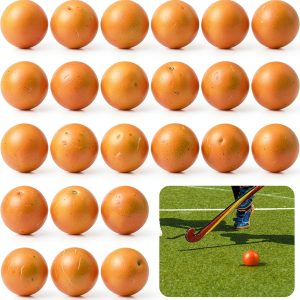
At roughly $3-4 for a pack of two, Franklin’s orange plastic pucks represent the budget end of off-ice training. They’re significantly lighter (approximately 3-4 ounces) and feature more bounce, making them better for pure beginners or young players developing initial coordination. The glide is inferior on most surfaces, and they lack the weight resistance that builds strength. Choose these if: You’re teaching fundamentals to young players, need multiple pucks for team drills on a tight budget, or primarily train on very rough surfaces where any puck will struggle.
Premium Alternative: Green Biscuit Snipe
Priced around $15-20, the Green Biscuit Snipe represents the high end of weighted training pucks. It features more sophisticated weight distribution and specialized sliding surfaces designed for shooting practice. The glide characteristics are superior for shot replication, and the build quality reflects the price premium. However, it’s overkill for pure stick handling development and less durable against concrete impacts. Choose this if: Budget isn’t a concern, you prioritize shooting practice alongside stick handling, and you primarily train on very smooth surfaces like sport court or high-quality epoxy.
Buying Guide / Who Should Buy
Best for Beginners
Surprisingly, I don’t recommend the Ninja Puck OG for absolute beginners. The weight resistance can frustrate players still mastering basic puck control. Beginners should start with standard weight or lighter pucks to develop coordination before adding resistance training. If you’re within your first year of playing, consider the cheaper Franklin alternative or even a wood puck for initial development.
Best for Intermediate & Advanced Players
This is where the Ninja Puck OG shines. If you have solid fundamental control and want to build strength and quickness, the weight resistance creates meaningful development. The affordable price point makes it easy to incorporate into existing training without financial commitment. I’ve noticed particular benefits for players looking to improve their quick-stick moves and one-touch passing—the weight forces cleaner technique.
Not Recommended For
Avoid the Ninja Puck OG if you primarily train on carpet, grass, or extremely rough concrete. The glide characteristics require reasonably smooth surfaces to be effective. Also reconsider if your primary training focus is shooting practice—while it works for wrist shots in close, the controlled glide isn’t ideal for practicing slap shots or long-range accuracy. Players seeking pure glide for passing drills might prefer specialized sliding pucks instead.
FAQ
Does the weighted training actually translate to on-ice improvement?
Yes, but with caveats. The resistance builds wrist and forearm strength that creates an overspeed effect when returning to standard pucks. However, the glide differences mean you shouldn’t use it exclusively—combine it with regular weight pucks or on-ice sessions to maintain feel. Most users notice improved stick control within 2-3 weeks of consistent use.
How does it compare to just using a real puck off-ice?
Regular ice pucks are terrible on most off-ice surfaces—they catch, bounce, and damage floors. The Ninja Puck’s polymer construction and balanced weight provide consistent performance that actual pucks can’t match. The weight replication means you’re not losing the strength development benefits while gaining surface compatibility.
Will this work for practicing Michigan/lacrosse moves?
Surprisingly well. The weight helps develop the wrist strength needed for scoop moves, and the polymer edge grips stick tape effectively. I found Michigan moves easier to practice with the Ninja Puck than with lighter alternatives, though the technique still requires ice for perfect execution.
Is the durability worth the price compared to cheaper options?
Absolutely. Cheap plastic pucks often crack or deform within weeks of aggressive use. The Ninja Puck maintains performance through months of abuse. When you factor in replacement costs of cheaper pucks, the Ninja Puck represents better long-term value despite the higher initial cost.
Can younger players (under 10) benefit from the weighted design?
Generally no—the weight proves too challenging for most young players still developing basic coordination. Wait until they have solid control with standard weight pucks before introducing resistance training. For players under 10, focus on technique development with lighter pucks rather than strength building.
 Purple Power Concentrated Cleaner Degreaser 128 Ounce Pack
 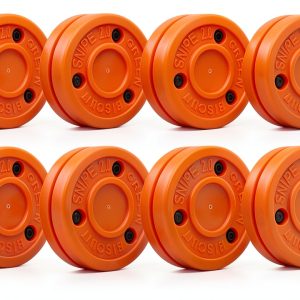 Green Biscuit NHL Hockey Pucks for Street Roller Ice
  90-Minute Self-Help Short Read Kindle Edition by Pritchett LP
  Poen Orange PVC Street Hockey Balls Kids Sports Equipment