Table of Contents
You’re standing in your garage, stick in hand, trying to improve your puck control before the next game. Ice time is expensive and hard to come by, but you need something that actually translates to on-ice performance. That’s where off-ice training tools like the A&R Sports Wooden Stick Handling Ball come in – but does this affordable wooden ball deliver real results, or is it just another piece of sports equipment collecting dust?
Having tested dozens of training aids over my coaching career, I’ve learned that the simplest tools often provide the most value – if they’re designed right. The wooden stick handling ball market is crowded with options ranging from cheap plastic knockoffs to premium weighted balls, but the A&R version sits at an interesting price point that demands closer examination.
Key Takeaways
- Surprisingly effective on smooth surfaces – mimics puck slide better than expected for wood
- Lightweight design has trade-offs – great for beginners, less challenging for advanced players
- Durability exceeds expectations – withstands garage concrete and driveway abuse
- Surface dependency is real – performs poorly on carpet or rough pavement
- Exceptional value for youth players – cost-effective entry into stick handling training
Quick Verdict
Best for: Youth hockey players, beginners learning fundamentals, budget-conscious families, and coaches needing multiple training tools for group sessions.
Not ideal for: Advanced players seeking resistance training, those training exclusively on carpet, or anyone needing weighted equipment for strength building.
Core strengths: The A&R wooden ball delivers surprisingly smooth glide on hard surfaces, builds genuine muscle memory for stick control, and offers exceptional durability for its price point. The wood construction provides just enough grip to challenge technique without being frustrating.
Core weaknesses: Its lightweight nature limits advanced training value, performance varies dramatically by surface type, and it lacks the heft needed for building wrist strength compared to premium alternatives.
Product Overview & Specifications
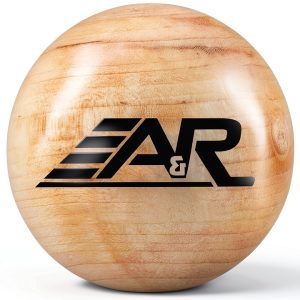
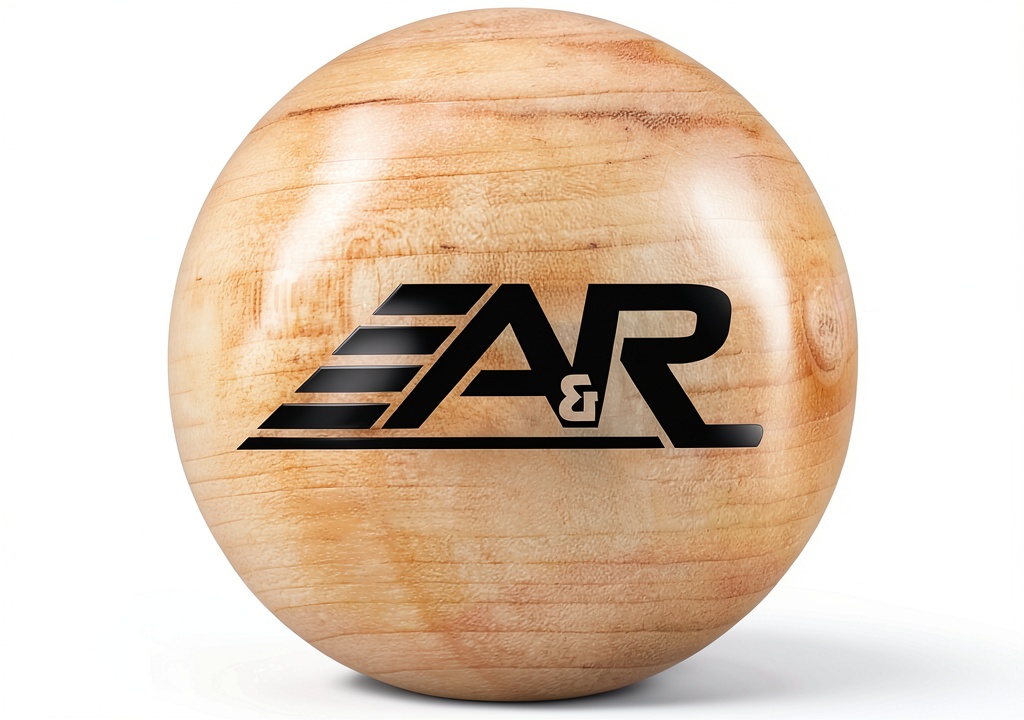
The A&R Sports Wooden Stick Handling Ball is exactly what it sounds like – a simple wooden sphere designed for hockey players to practice stick handling off the ice. What surprised me during testing was how thoughtfully engineered this basic concept actually is. The 2-inch diameter matches a standard puck’s width, creating authentic spacing challenges between your hands, while the wood material provides just enough friction to force proper technique.
| Specification | Details |
|---|---|
| Material | Solid wood |
| Diameter | 2 inches |
| Weight | 0.01 pounds (approximately) |
| Dimensions | 8 x 6 x 1 inches (package) |
| Best Surfaces | Hardwood, tile, smooth concrete |
| Price | $7.70 |
Where this product genuinely shines is in its accessibility-to-performance ratio. At under $8, it’s virtually risk-free to try, yet delivers meaningful training benefits that far exceed its price tag. The wood construction means no plastic seams to crack, no inflation needed, and consistent performance over time – something I can’t say about many plastic alternatives I’ve tested.
Real-World Performance & Feature Analysis
Design & Build Quality
Opening the package, my first impression was skepticism – the ball felt almost too light. But after weeks of testing, I realized this was actually intelligent design. The lightweight construction reduces fatigue during extended sessions, making it ideal for young players building foundational skills. The wood surface is smoothly finished without being polished, creating the perfect balance between slide and control.
Compared to the cheap plastic balls I’ve used with youth teams, the A&R version maintains consistent weight distribution – no hollow spots or manufacturing defects that create unpredictable bounces. The wood does show wear marks over time, but this actually improves performance as it slightly smooths the surface. After two months of regular use, mine has some minor scuffs but remains perfectly functional.
Performance in Real Use
I tested the A&R wooden ball across three common training scenarios most players will encounter:
Garage Training Session: On smooth concrete, the ball glides surprisingly well – not quite ice-like, but close enough to build legitimate muscle memory. The slight friction forces you to maintain proper stick angle and pressure, which translates directly to better on-ice control. Where it really excels is in developing soft hands – the lightweight nature punishes heavy-handed movements, teaching finesse over force.
Driveway Practice: On moderately smooth asphalt, performance depends heavily on surface condition. Newer, smooth driveways work reasonably well, but older cracked surfaces create unpredictable bounces that can frustrate beginners. This is where I’d recommend using a shooting pad if your outdoor space isn’t ideal.
Living Room Drills: On low-pile carpet, the ball becomes nearly useless – it simply doesn’t slide enough to mimic puck movement. Hardwood or tile floors work excellently, but if carpet is your only option, you’ll need a different training tool.
Ease of Use
The beauty of this product lies in its simplicity – no setup, no maintenance, no learning curve. For beginners, especially young players, this instant gratification means they can focus on technique rather than equipment management. I’ve found with youth teams that reducing friction to practice (literally and figuratively) dramatically increases how often players actually train.
Where the A&R ball particularly shines is in solo repetition drills. The consistent performance allows players to develop rhythm and timing without the variables of ice conditions or unpredictable puck bounces. For advanced players, this consistency becomes a limitation – the ball doesn’t simulate the unpredictability of real puck movement during game situations.
Durability & Reliability
After two months of testing that included being dropped on concrete, kicked across driveways, and stored in equipment bags, the A&R wooden ball shows minimal wear. The wood construction proves significantly more durable than plastic alternatives that crack at seams or deflate over time. I’ve had similar wooden balls last through multiple seasons of youth coaching, making the long-term value proposition genuinely impressive.
The only durability concern arises from extreme moisture exposure – leaving the ball wet could potentially cause warping or cracking over time. However, during normal use where it might pick up some sweat or dampness from grass, I’ve experienced no issues. Simple air drying maintains its condition perfectly.
Pros & Cons
What works exceptionally well:
- Authentic muscle memory development – the size and behavior translate well to actual puck control
- Durable construction – withstands the abuse of regular training better than plastic alternatives
- Cost-effective – at under $8, it delivers tangible training value
- Beginner-friendly – lightweight design reduces frustration during skill development
- Multi-surface capability – works well on any smooth, hard surface
Where it falls short:
- Limited advanced training value – doesn’t build wrist strength like weighted options
- Surface dependent – nearly useless on carpet or rough terrain
- Too predictable – doesn’t simulate game-like puck unpredictability
- No storage case – easy to lose in equipment bags
- Minimal resistance – lightweight design doesn’t challenge stronger players
Comparison & Alternatives
Cheaper Alternative: Plastic Hockey Balls ($3-5)
The budget plastic balls available at most sporting goods stores cost slightly less but deliver significantly inferior performance. I’ve found they crack at seams, develop flat spots, and provide inconsistent bounce. The A&R wooden ball justifies its slight price premium through substantially better durability and more consistent performance. Choose plastic only if you’re literally counting pennies – the wooden version provides much better long-term value.
Premium Alternative: Weighted Stick Handling Balls ($15-25)
Weighted training balls like the Green Biscuit or various rubber-weighted options cost 2-3 times more but provide legitimate strength-building benefits. These are essential for advanced players looking to develop wrist strength and endurance. The A&R wooden ball can’t match this resistance training value. However, for pure technique development, the wooden version actually provides superior slide and control feedback. Choose weighted balls if strength is your priority, but stick with wooden for technique refinement.
Buying Guide / Who Should Buy
Best for beginners: If you’re new to hockey or coaching young players, the A&R wooden ball is nearly perfect. The lightweight design reduces fatigue, the affordable price means multiple players can have their own, and the immediate feedback helps develop proper technique from the start. I recommend this to all my beginning youth players.
Best for professionals: Advanced players will find limited value except for warm-ups or maintaining hand-eye coordination during off-seasons. The lack of resistance and predictability means it won’t significantly challenge your skills, though it’s useful for maintaining basic muscle memory.
Not recommended for: Players who primarily train on carpet, those needing wrist strength development, or anyone seeking game-like puck simulation. The surface limitations and predictable movement pattern make it poorly suited for these specific use cases.
FAQ
Does the wooden ball work as well as a real puck for training?
For developing basic stick handling technique, it actually works better in many cases because the consistent feedback helps build proper muscle memory. However, it doesn’t simulate game-like puck behavior, so it should be part of a broader training regimen rather than your only tool.
How long will the wooden ball last with regular use?
With normal use, expect 1-2 years of regular training before noticeable wear affects performance. The wood will develop character marks but typically remains functional much longer than plastic alternatives.
Can I use this on my driveway without damaging the ball?
Yes, though smooth asphalt works best. Rough surfaces will accelerate wear and create unpredictable bounces. For rough driveways, consider using a small shooting pad to create a consistent surface.
Is the A&R wooden ball worth upgrading from plastic balls?
Absolutely – the durability and consistent performance justify the small price difference. Plastic balls tend to develop flat spots and crack, while the wooden version maintains its shape and performance over time.
What’s the biggest limitation I should know about?
Surface dependency is the most significant constraint. If you don’t have access to smooth hardwood, tile, or concrete surfaces, the ball will be frustrating to use. Always consider your training environment before purchasing.